Archive for ‘Travel Tips’

October 31, 2011

Happy Halloween !

Happy Halloween

How did Halloween come to be ?

The first evidence of the word Halloween was in the 16th century and it represented a Scottish variant of All-Hallows-Even which was the night before All Hallows Day.
‘Halloween’ and many of the traditions still practiced today such as wearing costumes, trick-or-treating and carving pumpkins all derive from the old the Old English era. The origin of Halloween is commonly linked to the Celtic festival of Samhain, which celebrates the end of the “lighter half” of the year and the beginning of the “darker half” and is sometimes regarded as the Celtic New Year.
The ancient Celts believed that during the period of Samhain (Halloween), the border between this world and the ‘the world of the dead’ becomes thiner, allowing spirits (both harmless and harmful) to pass through. The family’s ancestors were honoured and invited home while harmful spirits were warded off. It is believed that people wore costumes and masks to ward off harmful spirits with the purpose to disguise themselves as a harmful spirit in order to avoid harm.
Trick-or-treating is a customary tradition for children on Halloween, with children going from house to house, asking for treats such as candy or money with the question …… “Trick or treat?”. The word “trick” refers to a threat to perform mischief on the home-owner or their property if no treat is given.
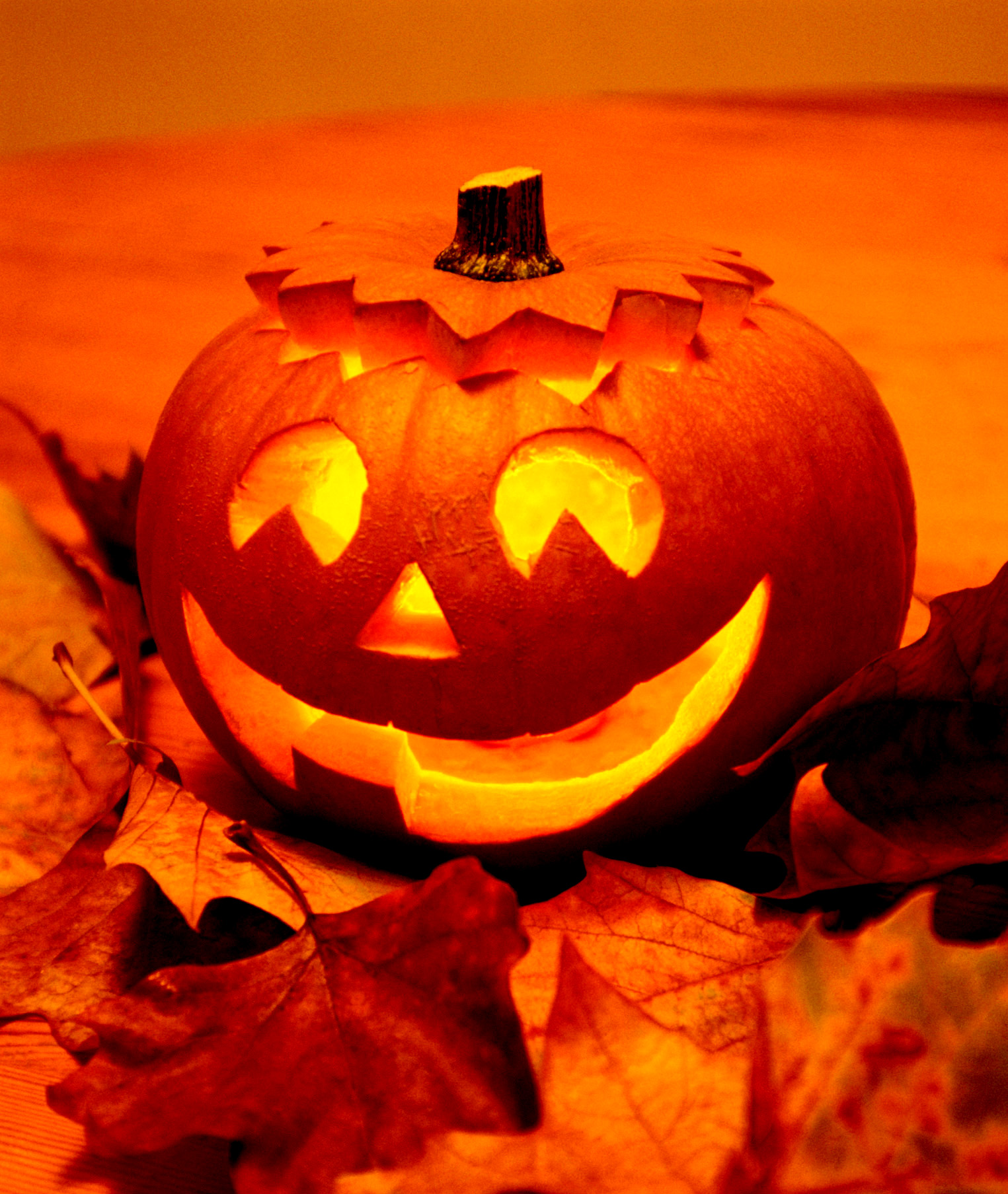
The carving of pumpkins on Halloween is a North American tradition.

Halloween has always been my favorite holiday…possibly because my birthday falls on Halloween !!

October 28, 2011

HALLOWEEN in ITALY

Jack-o-Lantern

Trick…or Treat …or Party ?
Halloween is upon us again and Florence is ready with events, parties, and even a haunted house.

Every year by mid-October we see more store windows sporting fake cobwebs and plastic pumpkins than in the previous year. Many Italian retailers are getting into the spirit (pun intended) of the holiday, albeit later than their American counterparts. Numerous theme and costume parties are now offered and there’s even a haunted house in Florence this year. Still, you’ll have to adapt certain traditions to life in Italy. Trick-or-treating door-to-door is rare, although some areas or condominiums may organize an official doling out of candies, strictly for the little ones. The massive quantities of halloween candy is not available like here in the US. Pumpkins for carving are hard to find and expensive, since the zucca grown in Italy is best suited for eating. On the positive side, Italy offers a bonus holiday on November 1, All Saints’ Day (Tutti Santi), so you can sleep off the effects of Halloween night and then celebrate with the huge traditional lunch that marks every statutory holiday in Italy. Maybe this would be a nice addition to the American ‘holiday’ calendar, providing one more day to rake up all of those glorious autumn leaves !

Did I mention in earlier posts, that late autumn is a wonderful time to experience Italy…and great value?

October 25, 2011

Food Network Travel: Italy

Food Network Travel: Italy.


A culinary journey through Italy, several select departures in June and September 2012!!! Cooking classes, olive oil tasting, vineyard visits, and more. Includes Rome, Umbria, Tuscany, Venice.

July 29, 2011

Explore the Ancient Capitals on the Oceania Marina Cruise Ship!

Join me on a cruise and tour of the world’s ancient captials: Istanbul, Athens, Jerusalem, and more. See flyer below for details and dates. Hope to hear from you soon!

Oceania Group Flyer_Portland_FINAL_LoRes_emailable (2)

July 29, 2011

Video Slideshow- Spain 2011

Enjoy a slideshow of highlights from my recent trip to Spain!

June 28, 2011

Bilbao in June

The city of Bilbao, situated in the north of Spain, is close to the coastline and beaches and is the largest and most lively city in the Basque Country. It is a particularly historic city, with a legacy of old buildings and a rich culture. Bilbao is comprised of a fascinating mix of the old and the new, with many spectacular contemporary buildings. This Basque city dates to the 13th century, yet pilgrims have been passing through Bilbao since 1000.

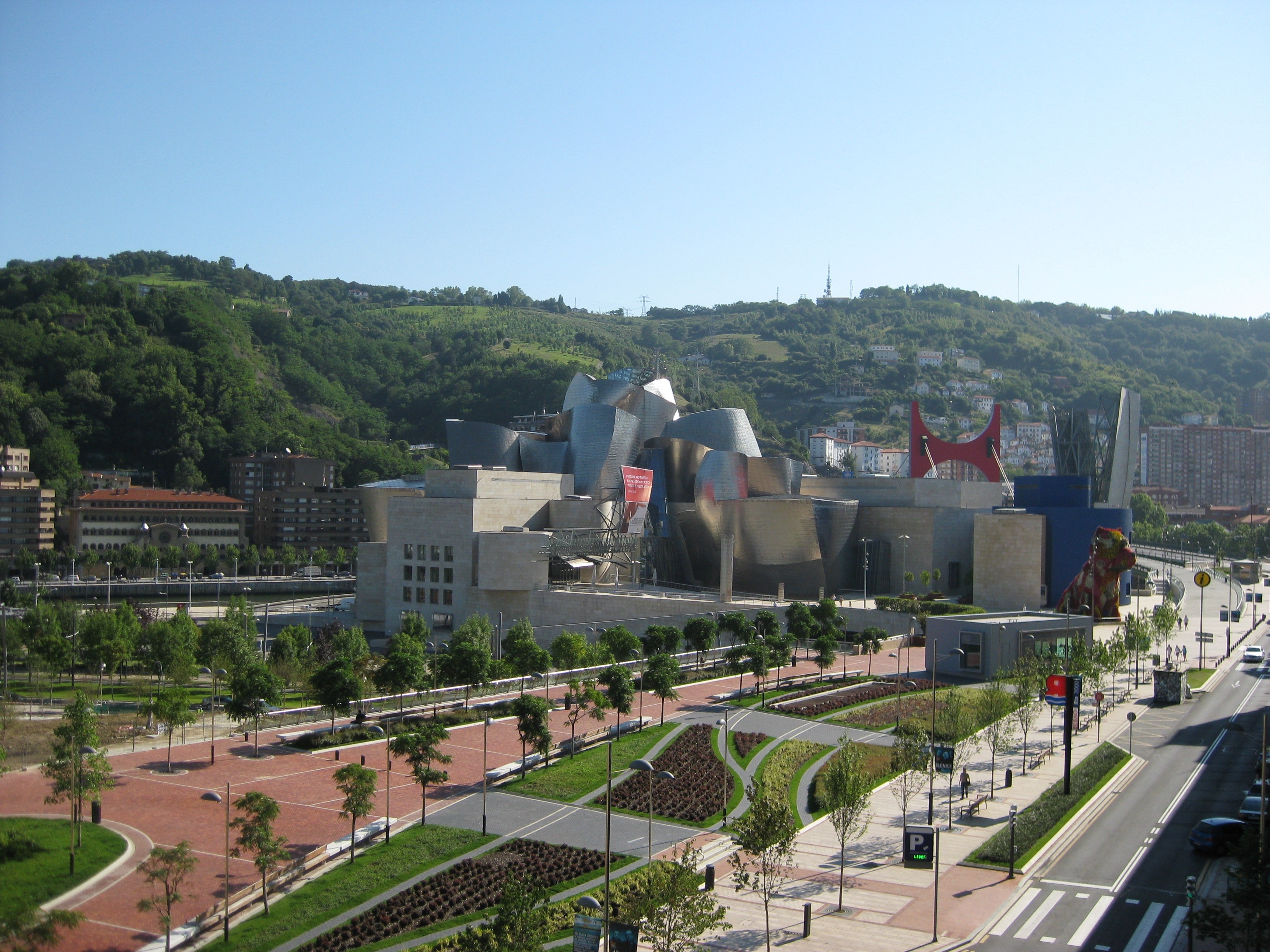
The Bilbao Guggenheim Museum, designed by American architect Frank Gehry, is a work of modern art itself, and quite the focal point on the beautiful pedestrian promenade and river walkway. The Fine Arts Museum, second only to the Prado in Madrid, is as classic as the Guggenheim is modern.
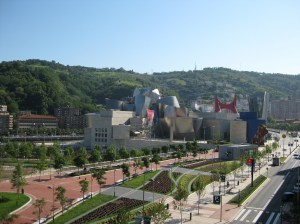
Above is the Bilbao Guggenheim Museum, designed by Frank Gehry

The city has an abundance of parks and fountains and sidewalk cafes. I arrived on the most perfect summer Sunday afternoon, and it felt like the whole town was out enjoying their lovely city, the young and the old all strolling and visiting and soaking up the sun.

The Basque cuisine is fabulous! The tapas and pintos are not only delicious but also works of art! The variety is endless; crab, shrimp, cod, salmon, cured ham, egg, spinach, eggplant, beef tartar, and on and on. The locals enjoy a glass of wine or Cava, nibble on 1 or 2 pintos, visit with friends and then move to another. The region has many innovative restaurants as well as traditional.

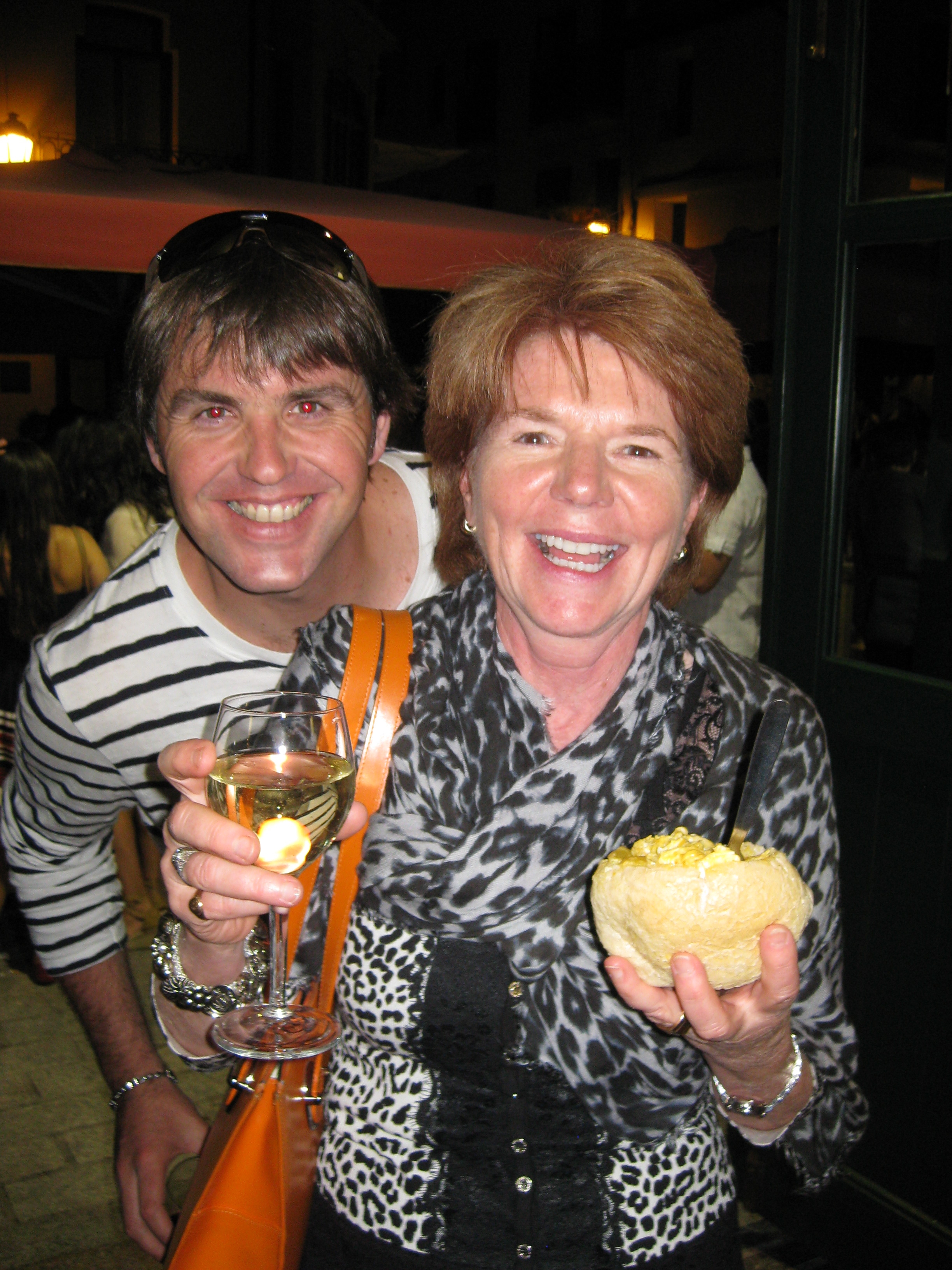
Enjoying tapas and wine with our guide and golf pro David.

Cuisine plays a huge role in local life, as does wine. Michelin-rated restaurants abound, as do bodegas (wine cellars) offering wine tastings and tours throughout the year.

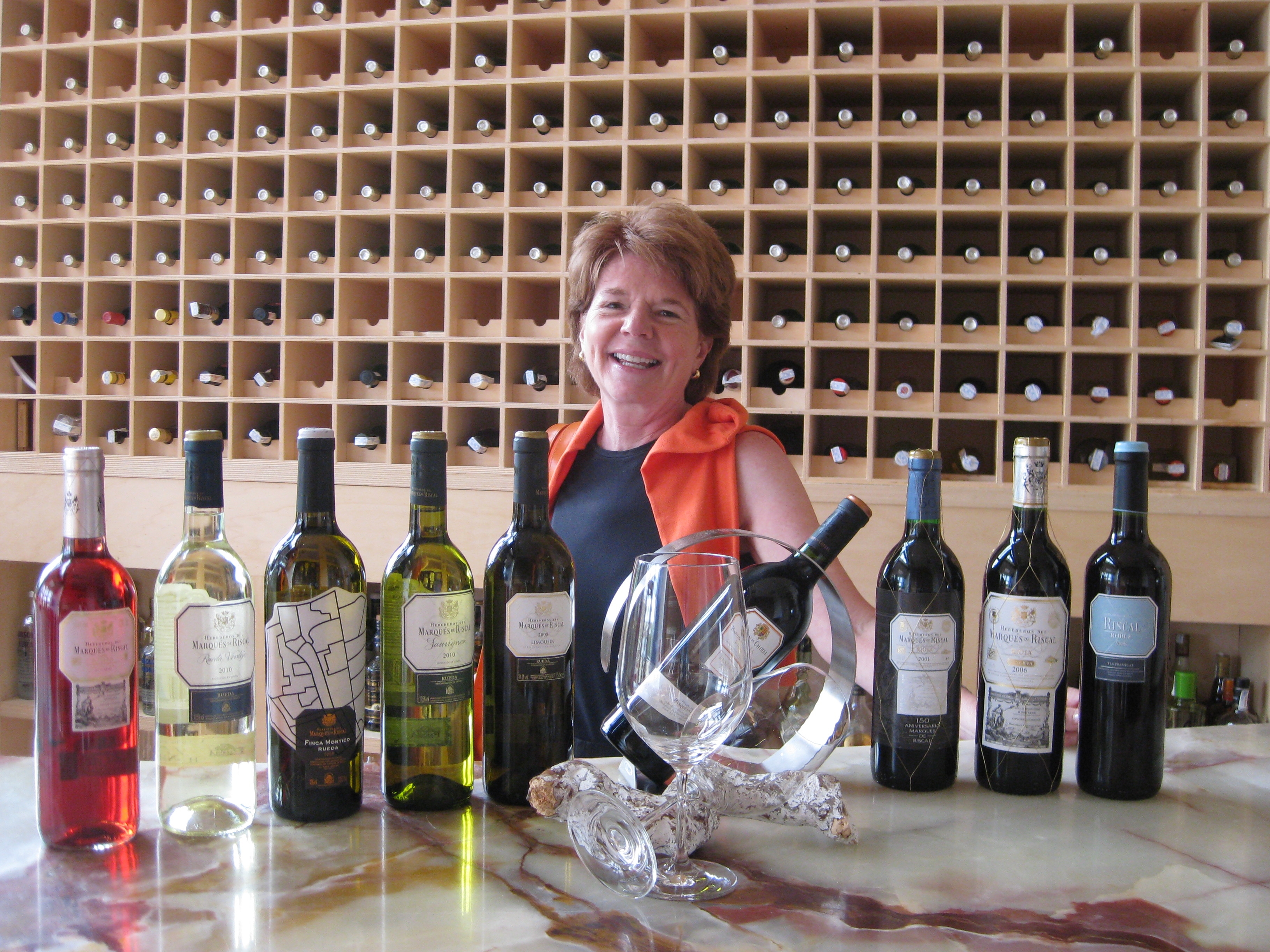
I enjoyed the wine bar at the Marques de Riscal hotel.

The University of Deusto is Spain’s largest private university, run by the Jesuits and with campuses in Bilbao and San Sebastian, and dates back to 1880.

The University of Deusto, Bilbao

The Basque and Rioja regions include the Pyrenees for skiing, climbing, caving, and canoeing. The coastlines are made up of rocky coves and wide bays with yellow sand beaches, and are interspersed with fishing villages. Inland are forests, valleys, and gorges. The south is populated with abundant vineyards and food crops.

San Sebastian, situated on a neat, shell-shaped bay, is considered the most elegant and fashionable Spanish seaside resort. The city itself is renowned for its great summer festivals, featuring both jazz and classical music as well as art, theater, and the international film festival in September.

Bullfighting is still a very serious sport in Northern Spain and even the smallest villages feature “the running of the bulls” as an event in their regular summer festivals. The old fortress city of Pamplona holds the largest event in July, during the festival of Los San Fermines, with its daredevil bull running followed by traditional bullfights.

The running of the bulls, Pamplona

For more pictures and information, visit the Journeys Viaggio Facebook page, and check out http://www.youtube.com/watch?v=CKv-hBowhVY for a full slideshow.